
Making Learning Easy
Clear Maharashtra Board Exams with Maximum Marks
Live classes, recorded lectures, AI doubt solving, handwritten notes and daily tests — everything a Class 8–12 student needs, in one place.
- Live Classes
- Recorded Lectures
- AI Doubt Solving
- Handwritten Notes
- Daily Tests
By The Numbers
A community you can trust
- 0+Subscribers
- 0+Course Enrollments
- 0+Live Classes
Featured Courses
One home for every Maharashtra Board class
Structured, tested, and taught by educators who've helped thousands of students score above 90%.
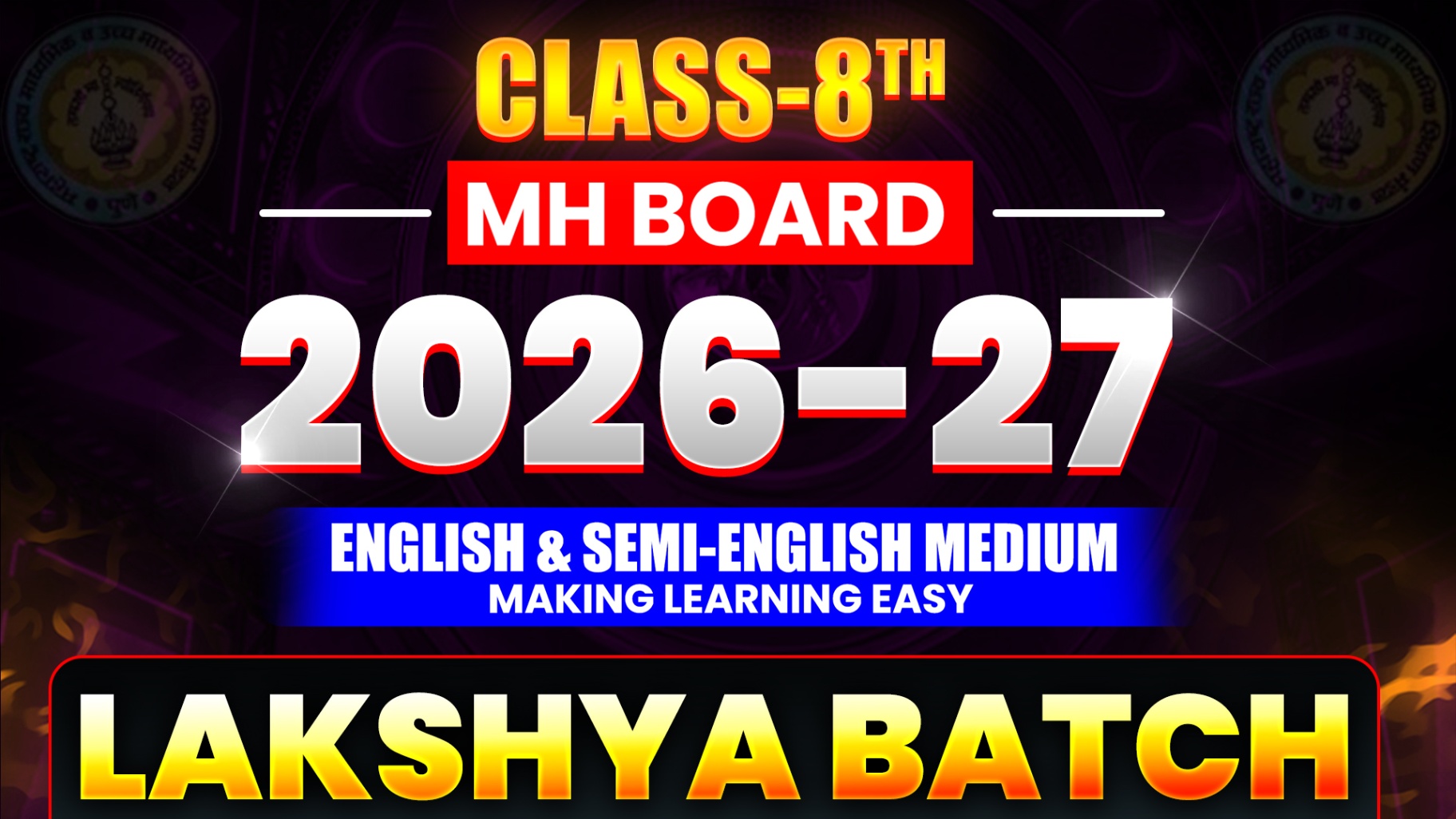
Class 8 | Lakshya Batch | MH Board | 2026 - 27
Complete Class 8 Maharashtra Board batch — live classes, notes, tests and AI doubt solving.
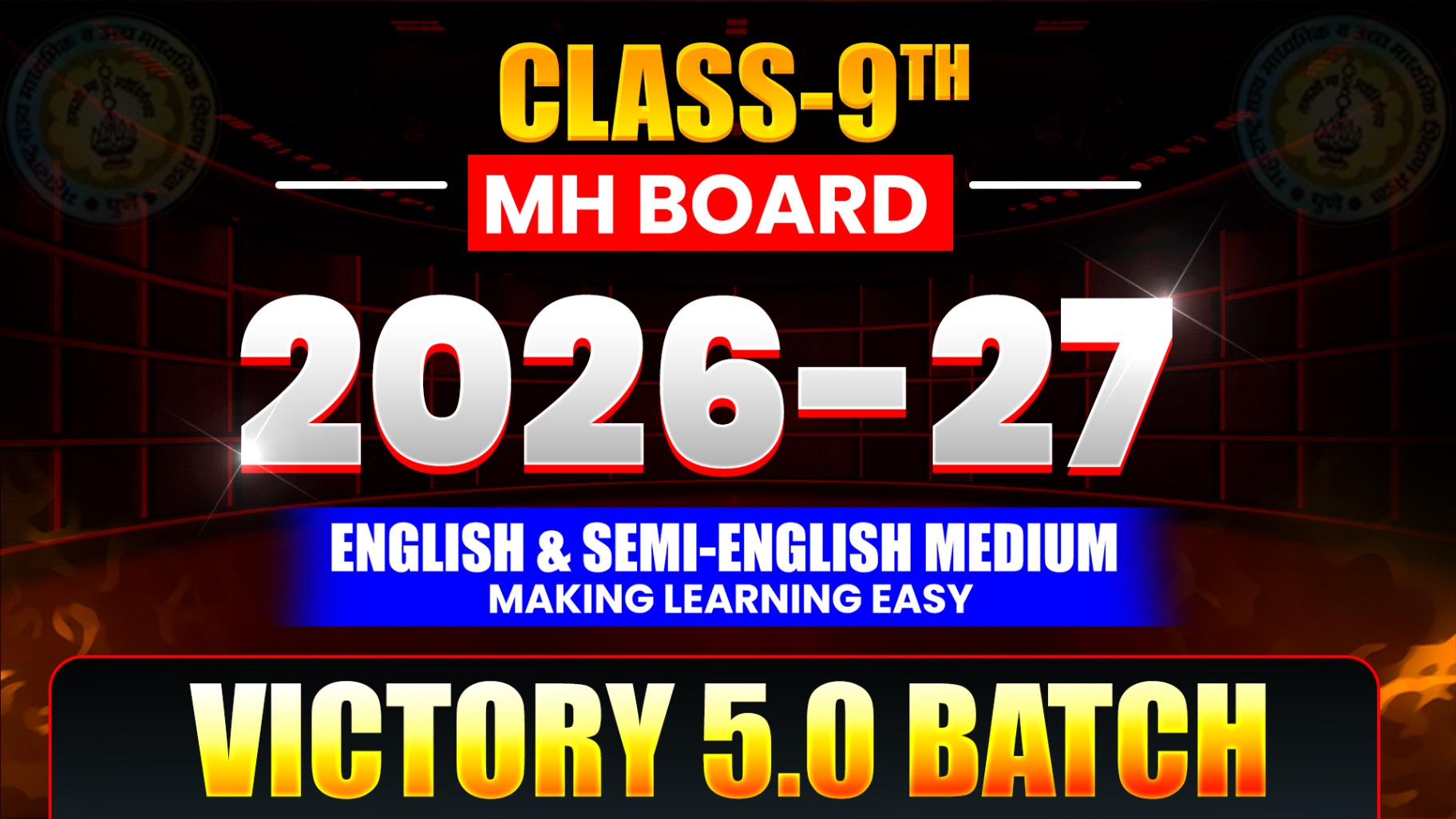
Class 9 | Victory 5.0 | MH Board | 2026-27
Complete Class 9 Maharashtra Board batch with live classes, notes, weekly tests and mentorship.

Class 10 | Aarambh Reloaded | MH Board | 2026 - 27
Class 10 SSC batch — live classes, handwritten notes, PYQs, unlimited practice and board-focused revision.
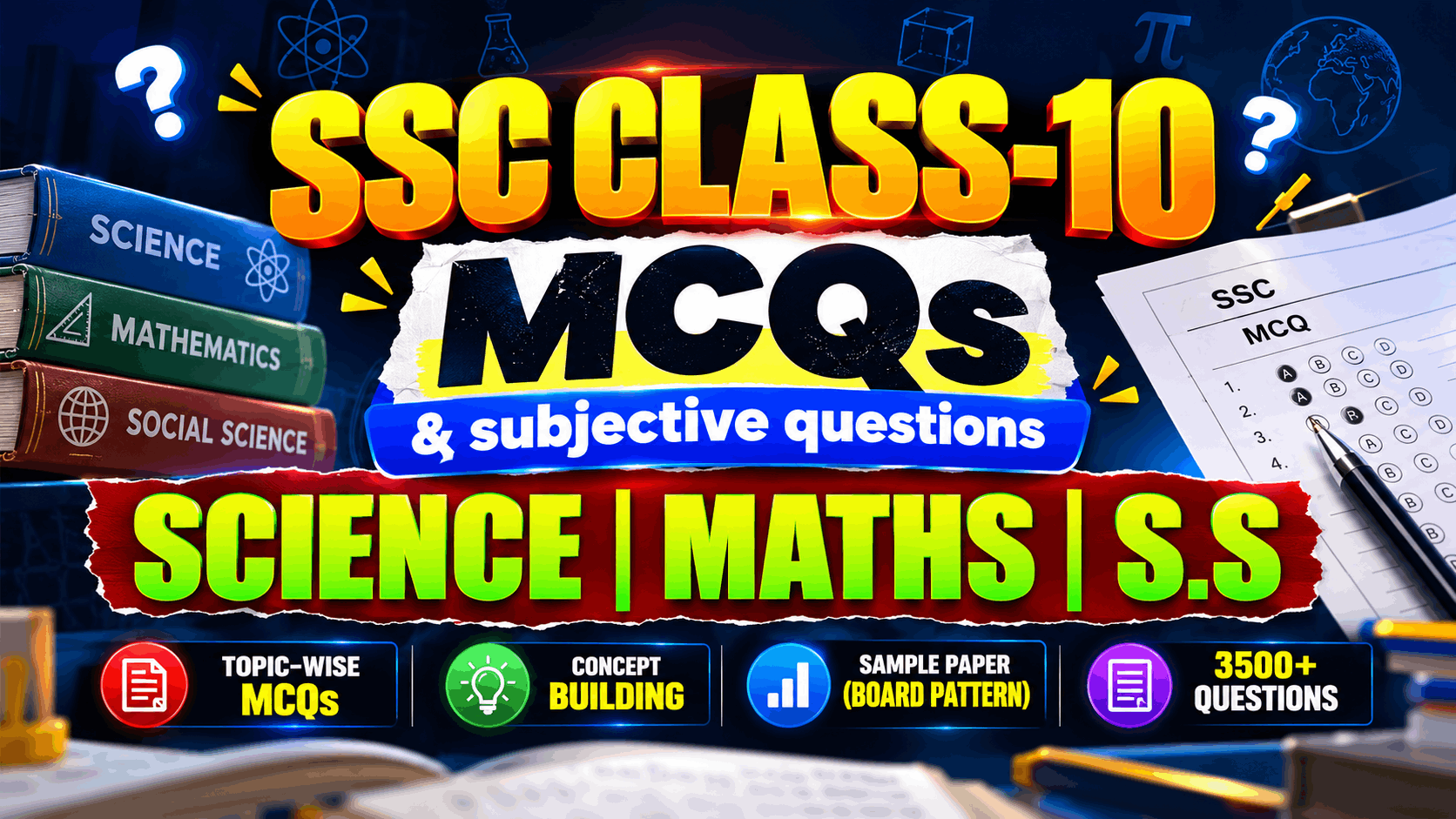
SSC Class 10 | Test Series | Maharashtra Board | 2026-27
Objective + Subjective Tests | Chapter-wise + Full-Length Tests | Science 1 & 2 | Maths 1 & 2 | Social Science | English & Semi-English Medium
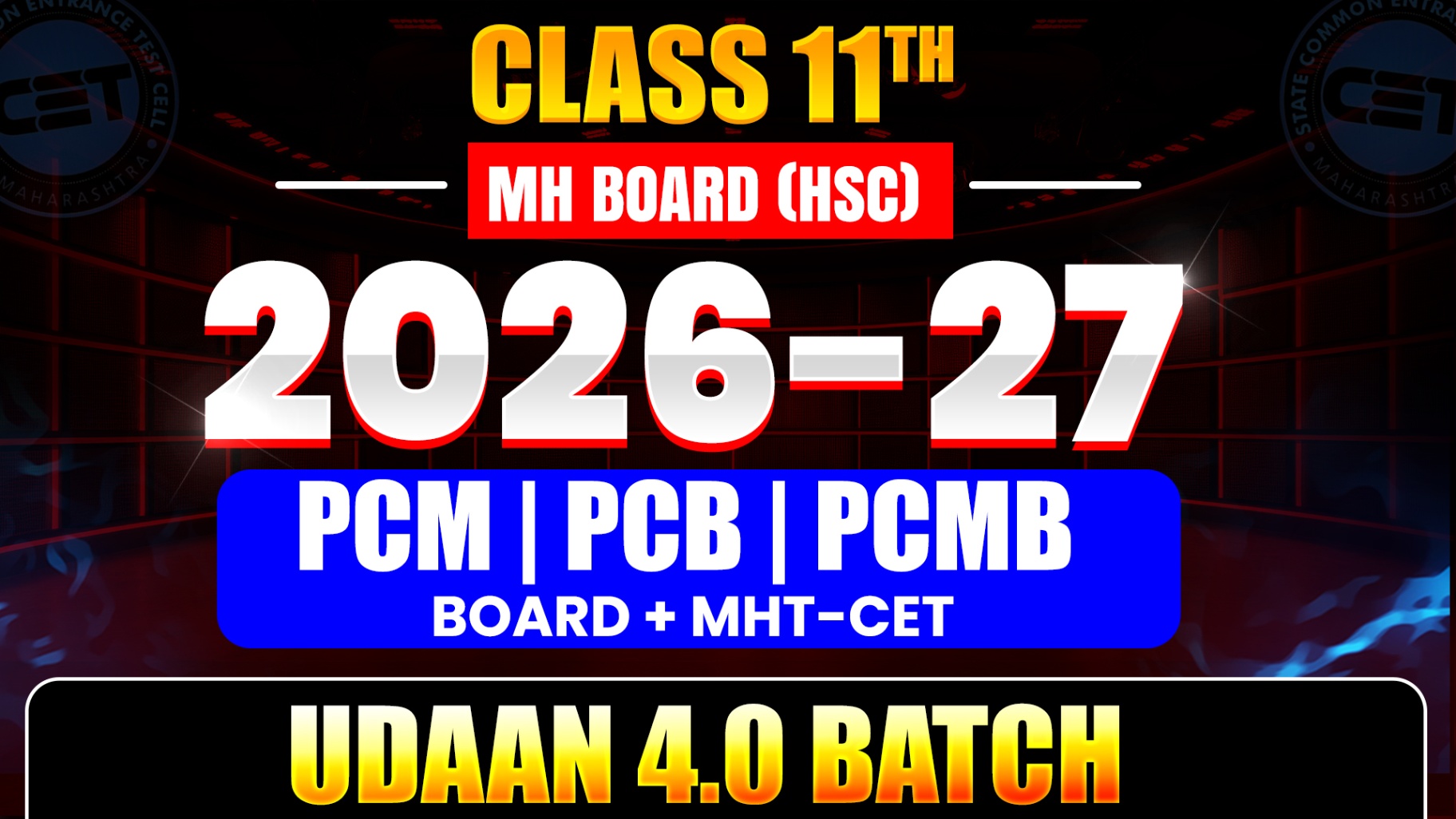
Class 11 | Udaan 4.0 | PCM | PCB | PCMB | Maharashtra Board
Class 11 Science batch for Maharashtra Board — concept-first live classes, tests and doubt solving.
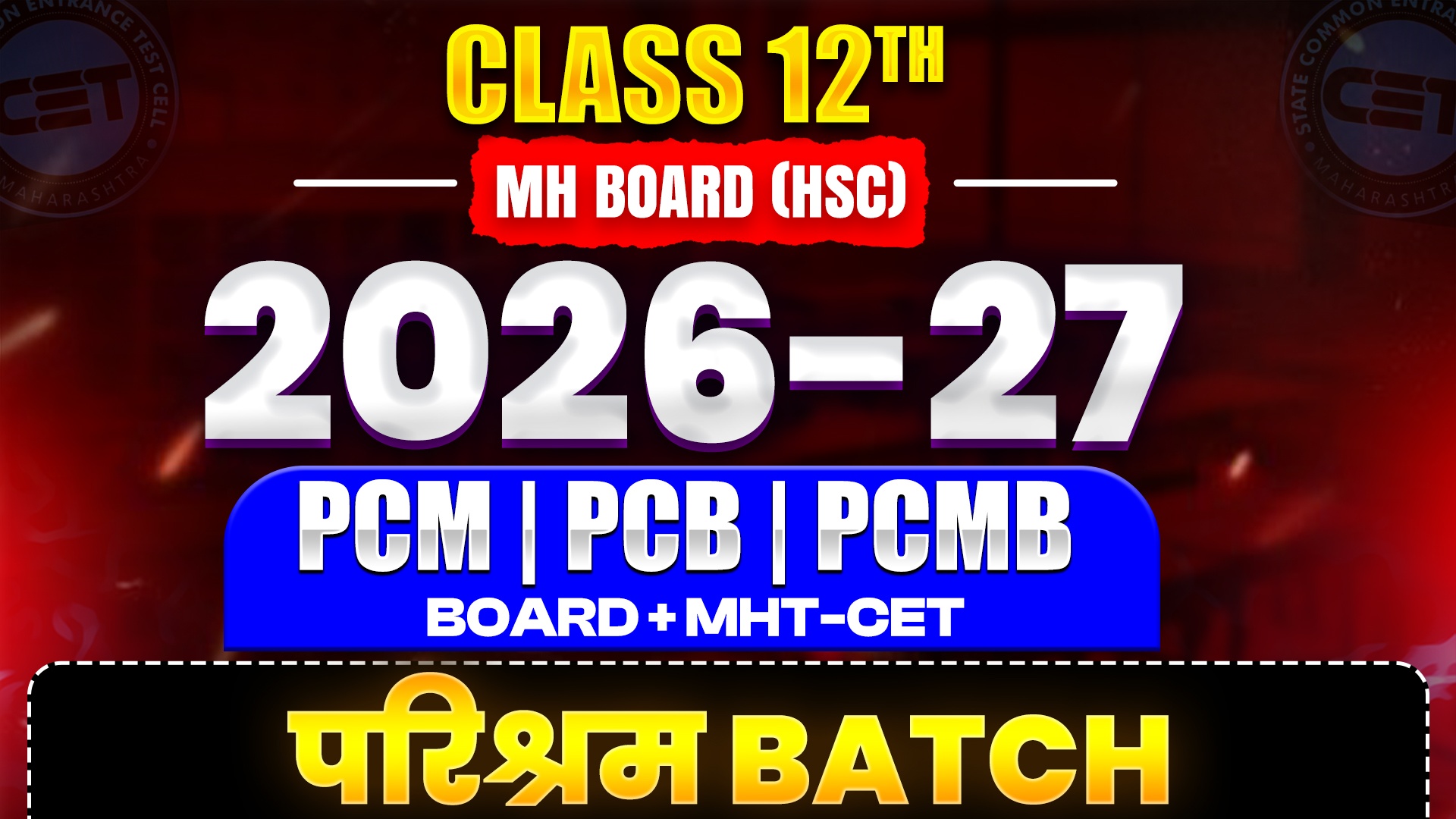
Class 12 | Parishram Batch | PCM | PCB | PCMB | Maharashtra Board
Class 12 HSC Science batch — board-focused live classes, PYQs, full syllabus mocks and mentorship.
Why EasyLearning
Everything a serious student needs. Nothing they don't.
Live Classes
Interactive daily sessions with top faculty.
Recorded Videos
Rewatch every lesson, at your pace.
AI Doubt Solver
Get answers in seconds, 24 × 7.
Handwritten Notes
Board-ready, colour-coded, downloadable.
Weekly Tests
Track progress with regular assessments.
PYQ Bank
10+ years of solved previous year papers.
Study Planner
Personalised daily & weekly schedule.
Performance Tracking
Detailed reports for students & parents.
The Journey
From day one to your board result
A proven roadmap that thousands of Maharashtra Board students follow every year.
- 01
Join EasyLearning
Sign up in minutes, pick your class.
- 02
Attend Live Classes
Daily interactive sessions with faculty.
- 03
Practice
Solve MCQs, worksheets and PYQs.
- 04
Take Tests
Weekly and monthly evaluations.
- 05
Revise Smart
AI-picked topics that matter most.
- 06
Ace the Boards
Walk in confident. Walk out a topper.
- 🏆
95%+ Marks
Join thousands of top scorers.
Meet Your Teachers
Educators who've been where you're going

Shubham Jha
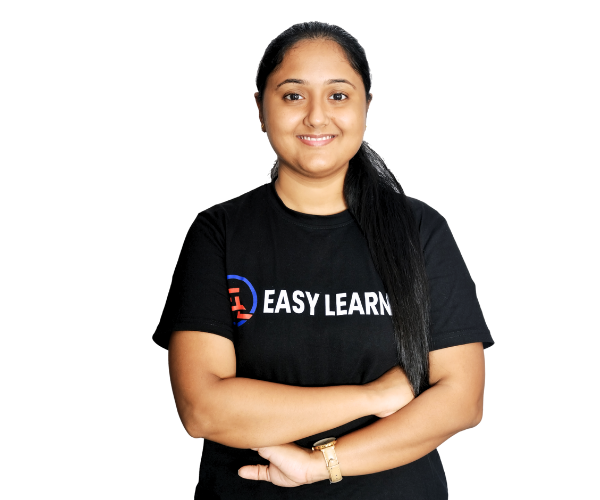
Nilima Roy

Parth Momaya
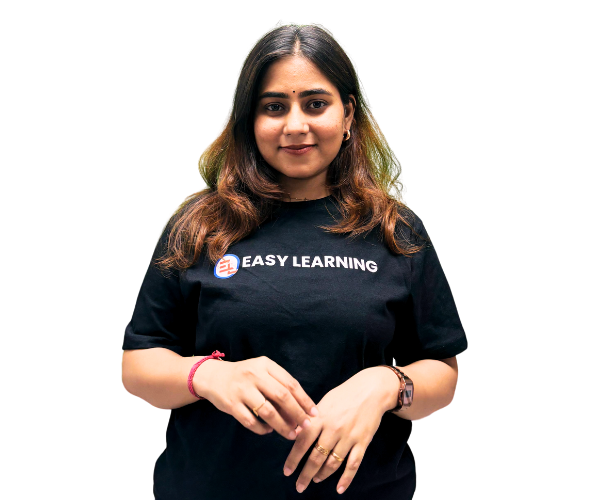
Galaxy Parmar

Yogesh Sonawane
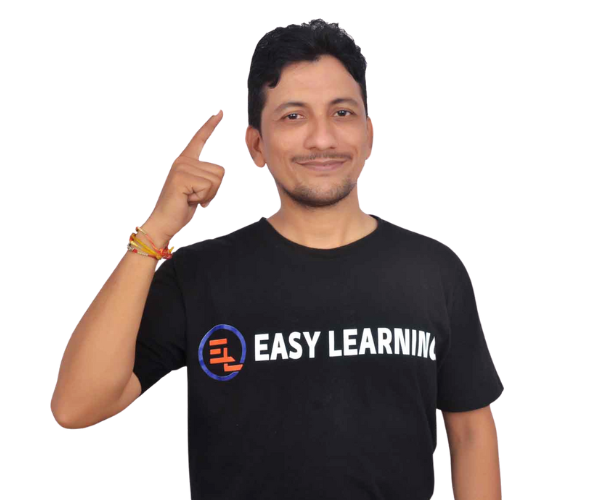
Chandrashekar Khairnar
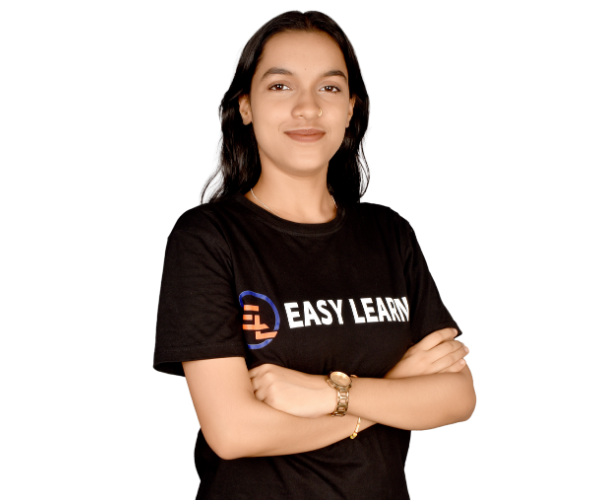
Khushi Dube

Komal Dixit
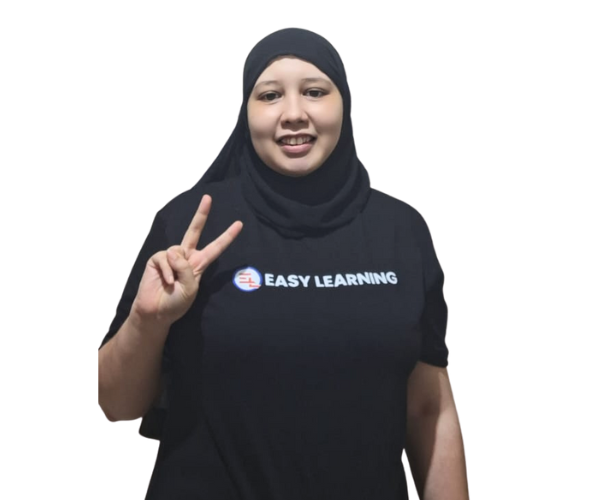
Mariyah Patel
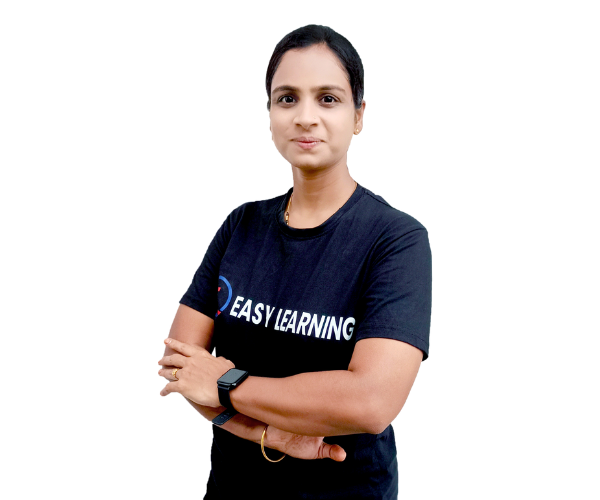
Farheen Shaikh

Ranjit Prajapati

Shailesh Godke
Student Results
Real students. Real board marks.
Snapshots from the last two years of Maharashtra Board results.
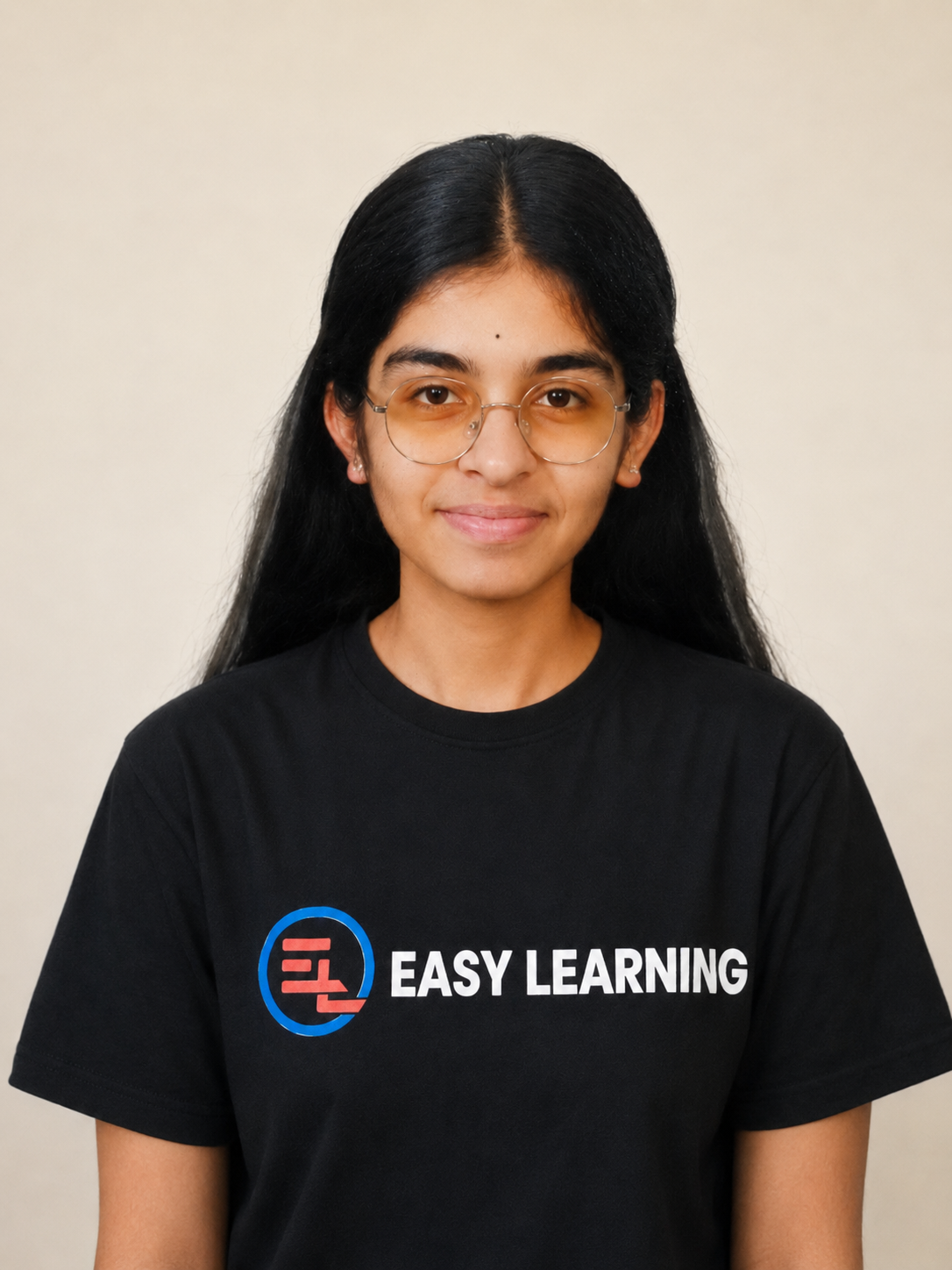
Madhura Mahesh Chitnis
2026
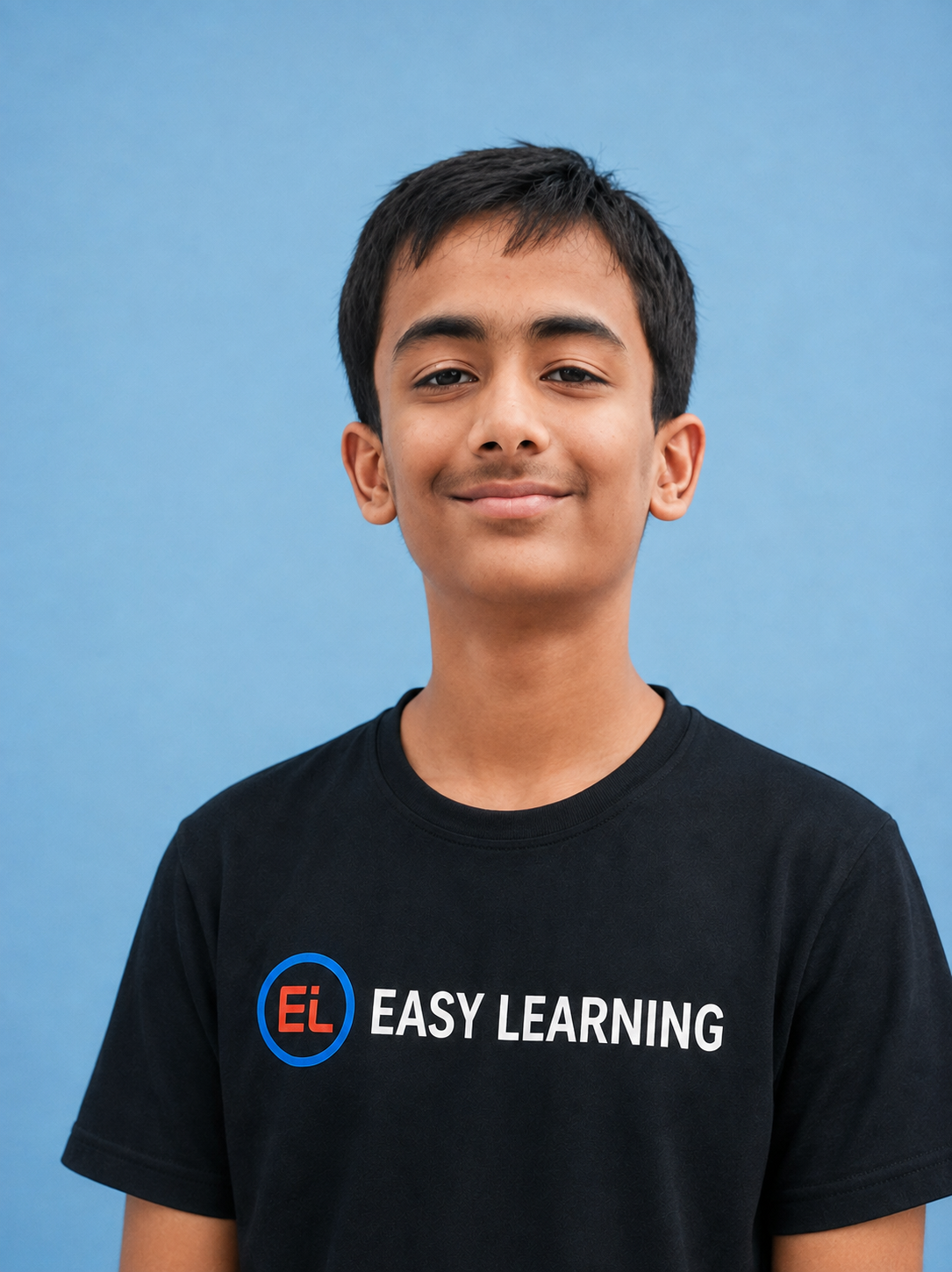
Vyanktesh Guruprasad Gurav
2025
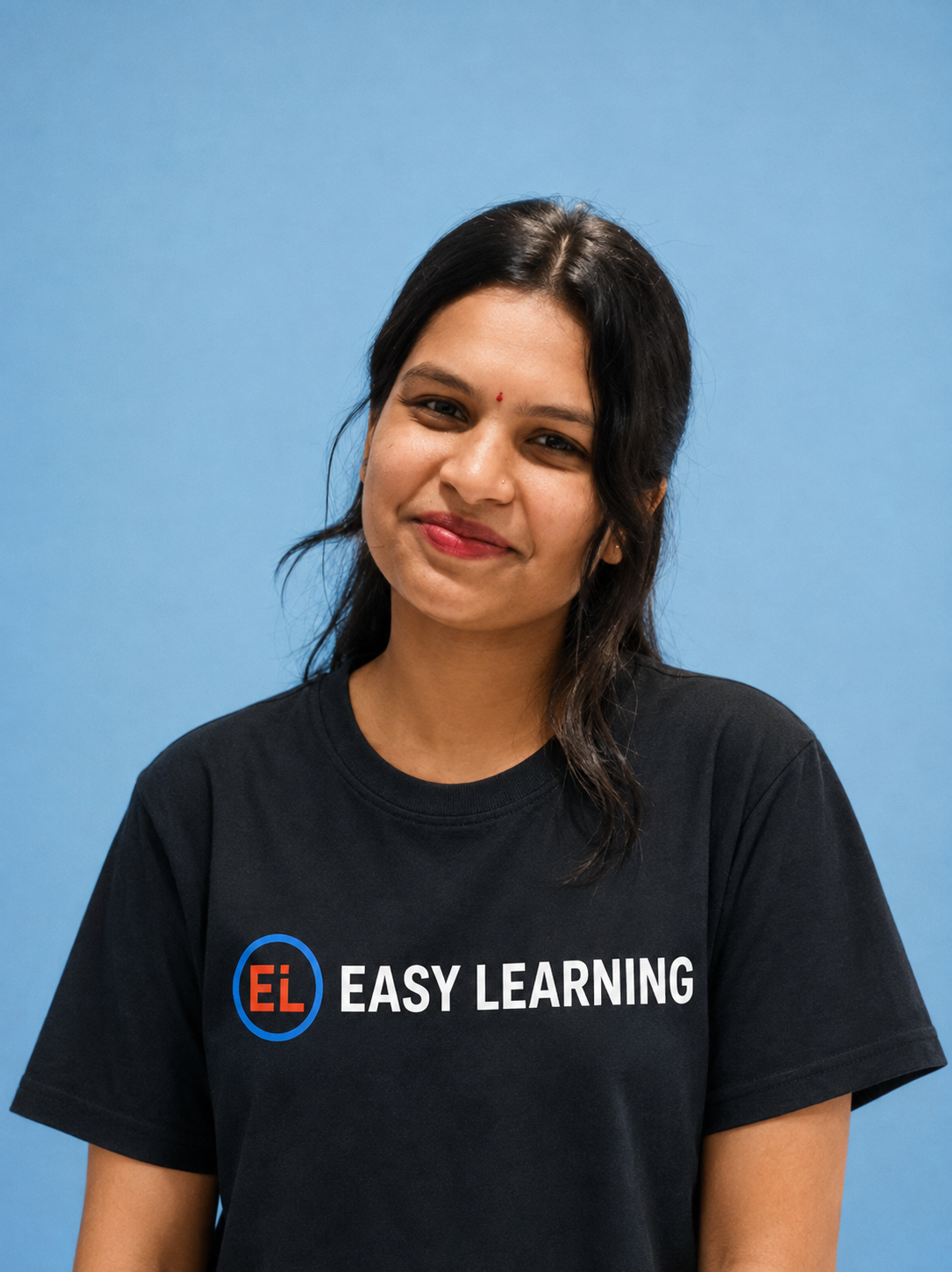
Gunjan Dipak Vyas
2025
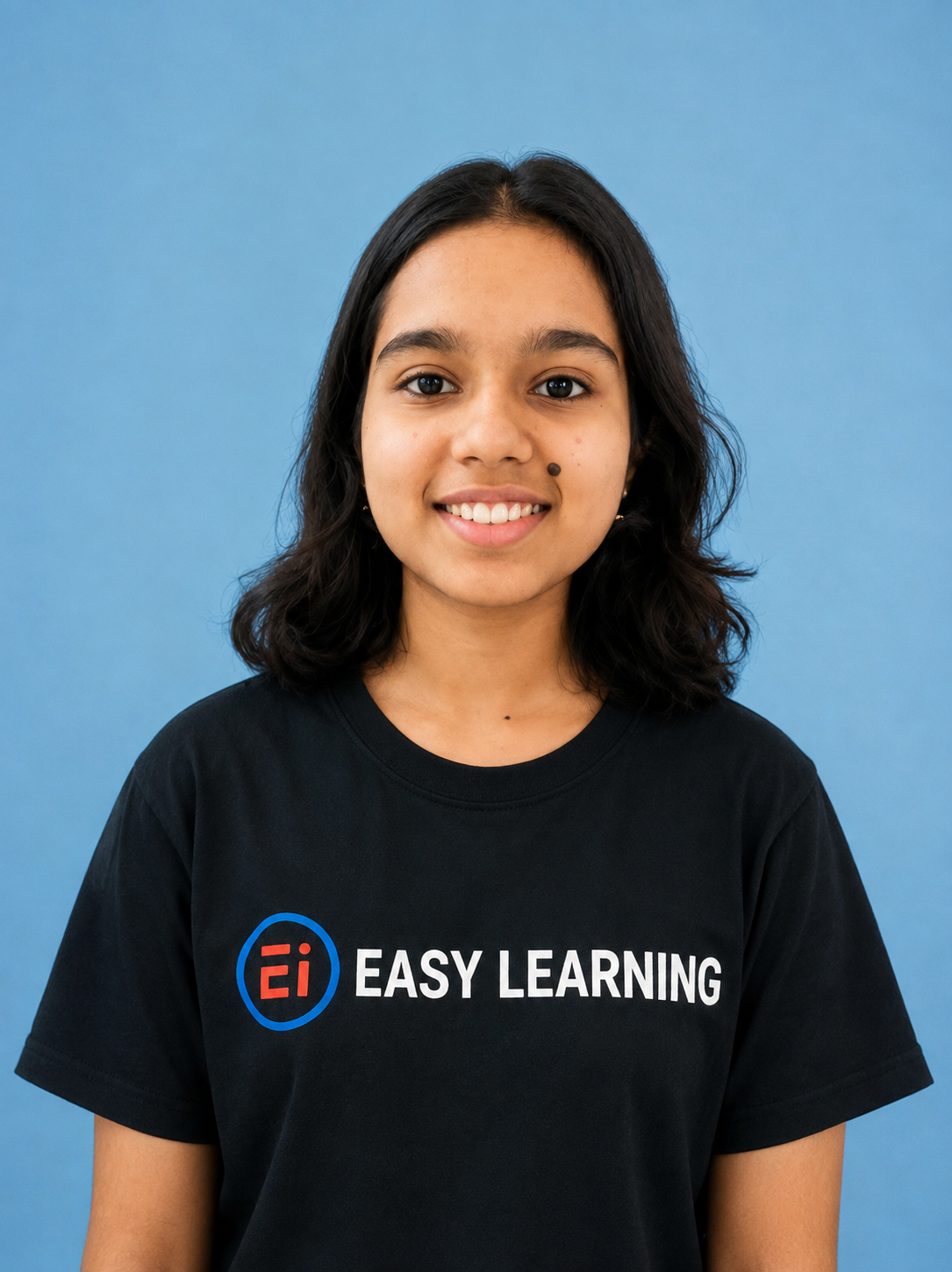
Sanskruti Sachin Waghmode
2023
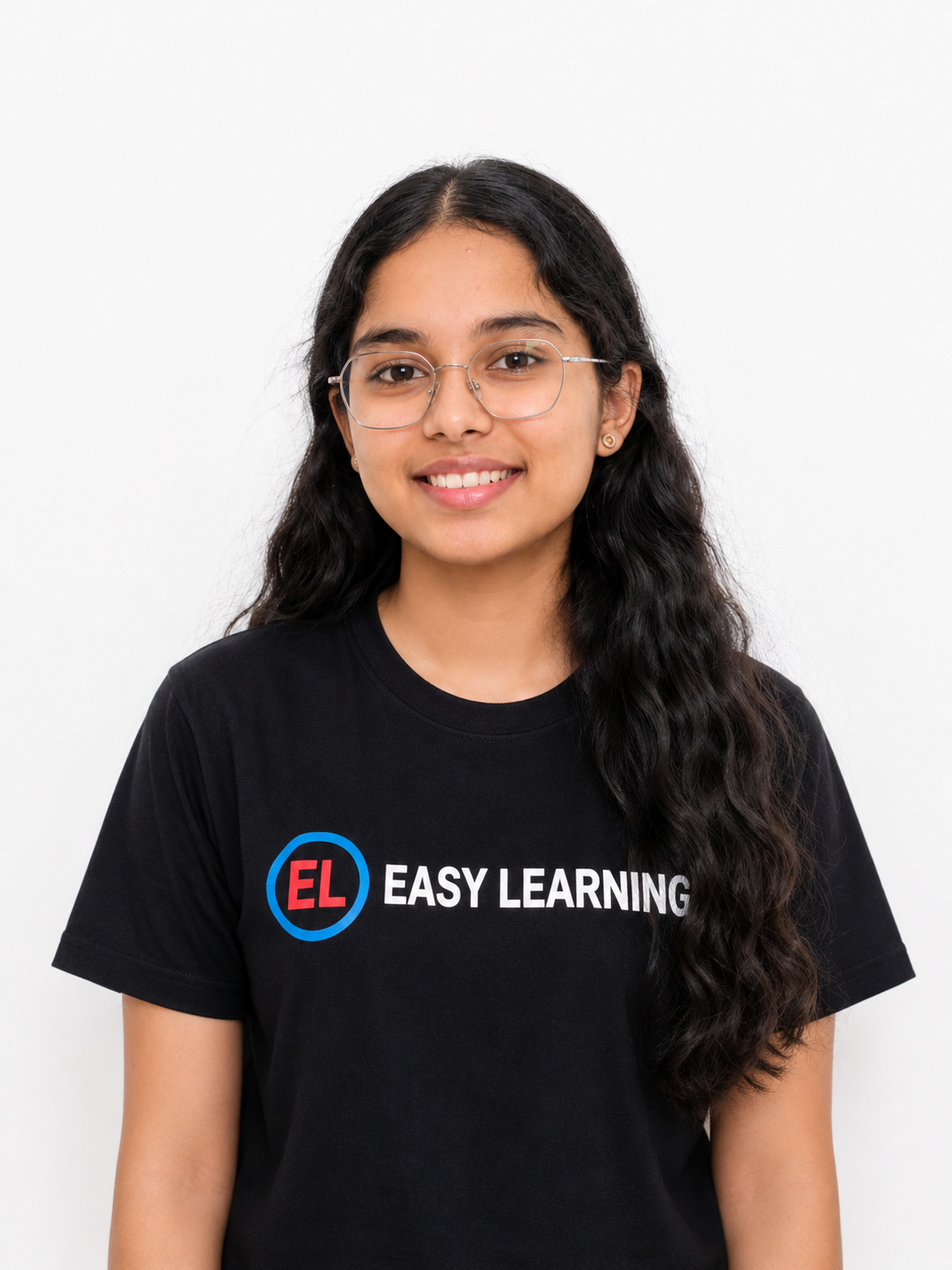
Saumya Kiran Salunkhe
2026
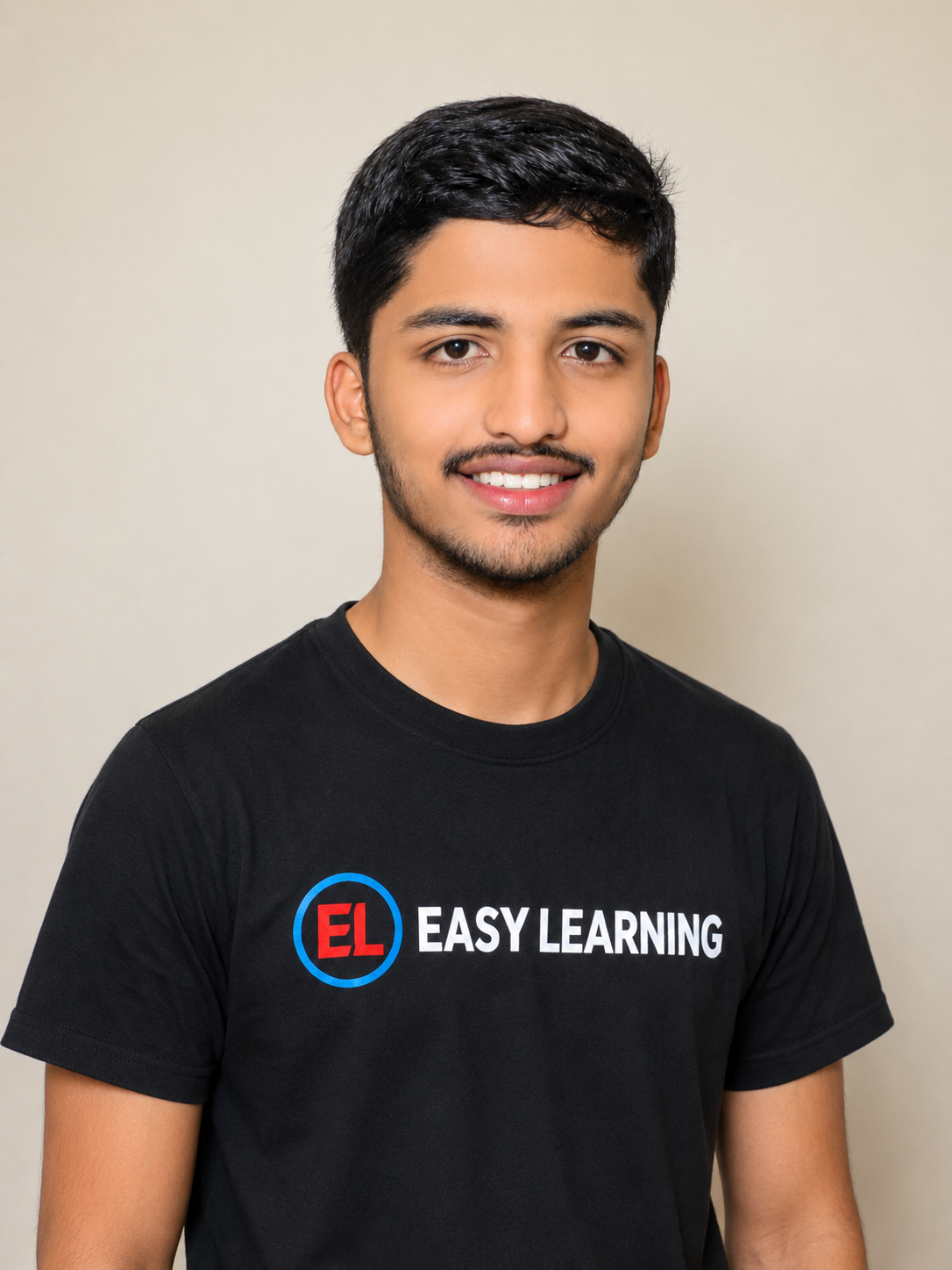
SARVESH RAMDAS NARSALE
2026
Testimonials
Loved by students. Trusted by parents.
EasyLearning student success story
Maharashtra Board topper interview
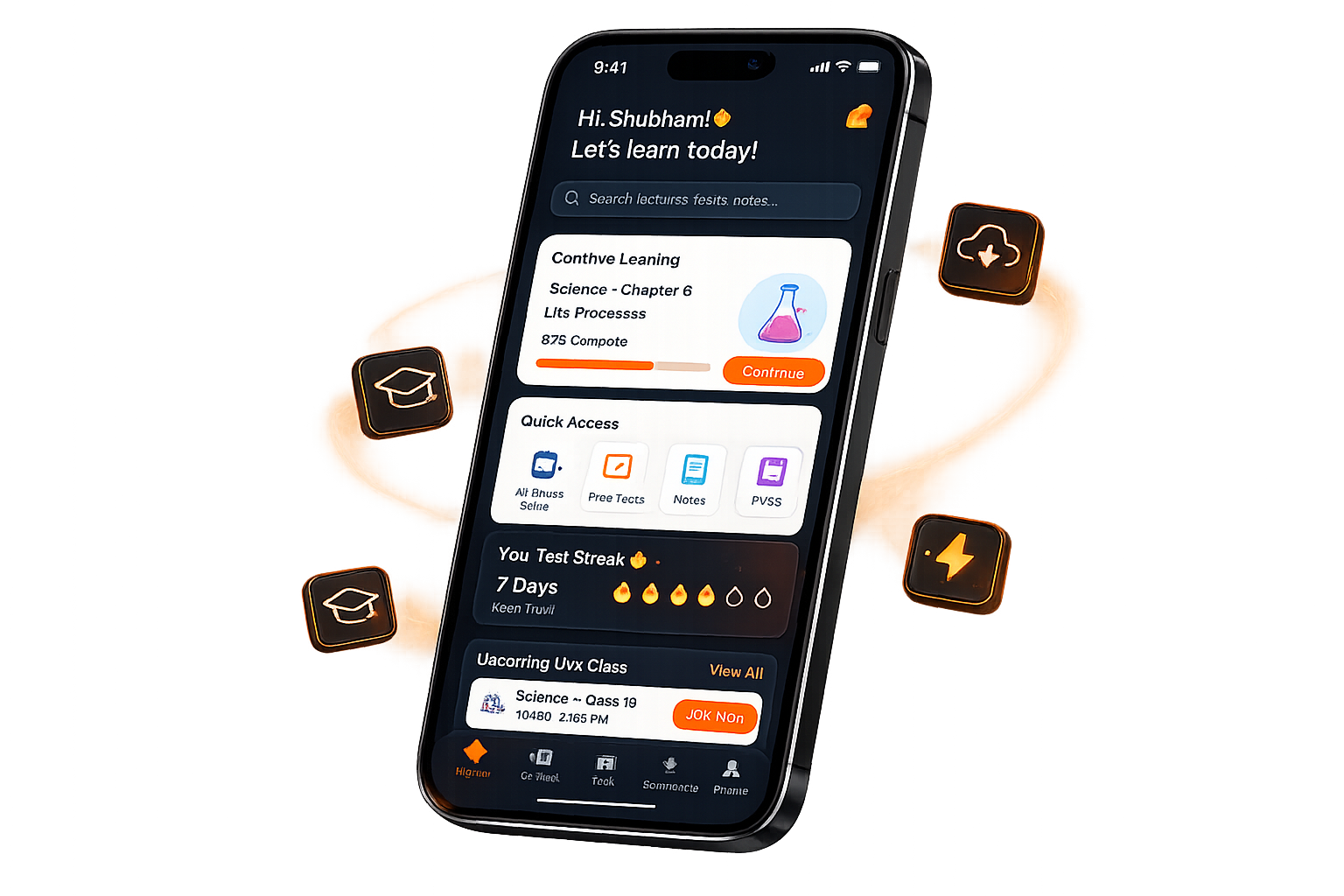
Get the App
Your entire syllabus in your pocket
Download lectures, take tests offline, and get instant AI doubt help — anywhere, anytime.
- Offline downloads
- AI doubt solver
- Live class alerts
- Daily test streaks
Frequently Asked